Arima Onsen
Near Kobe (Kita Ward), Hyogo Prefecture, Japan
A compact hot spring town in the hills behind Kobe, known for two very different waters: rust-brown, salty kinsen and clear, carbonated ginsen, both available in two city-owned public bathhouses.
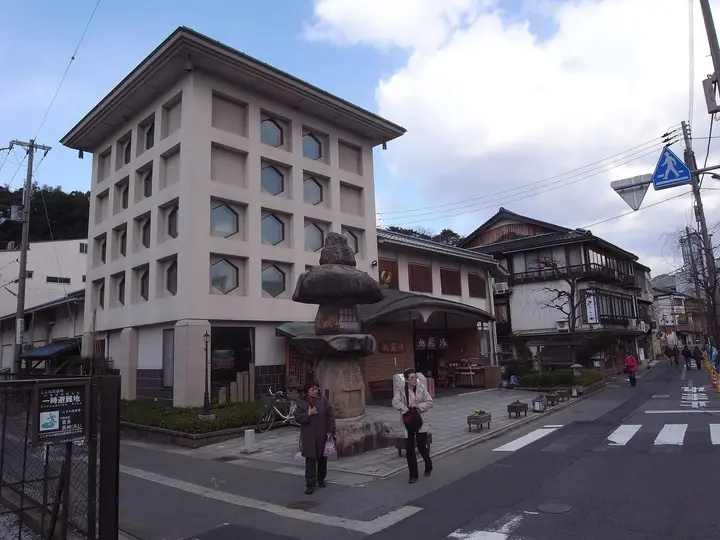
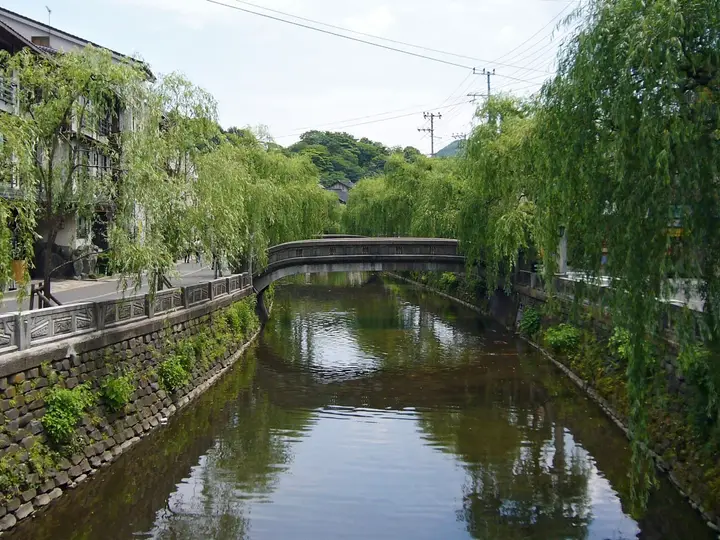
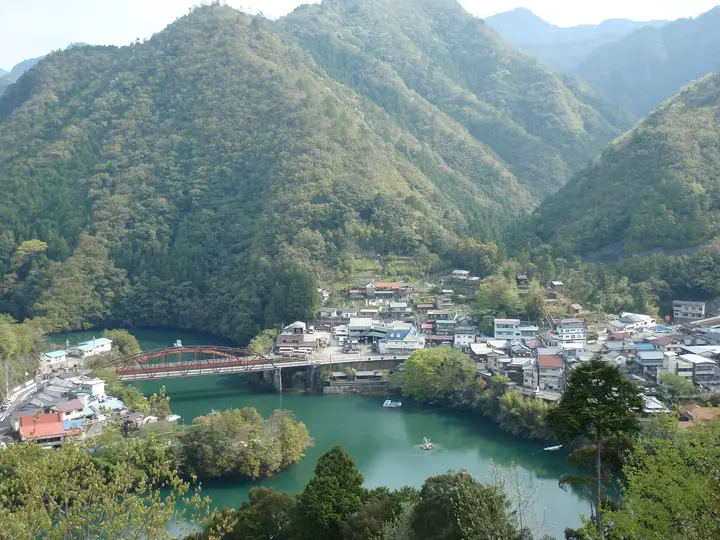
Photos: Wpcpey (CC BY-SA 4.0); 663highland (CC BY-SA 4.0); 663highland (CC BY 2.5). Resized and cropped for this page.


- Water temperature
- Not published
- Entry
- Paid
- Getting in
- Drive-up
- Type
- Public pool
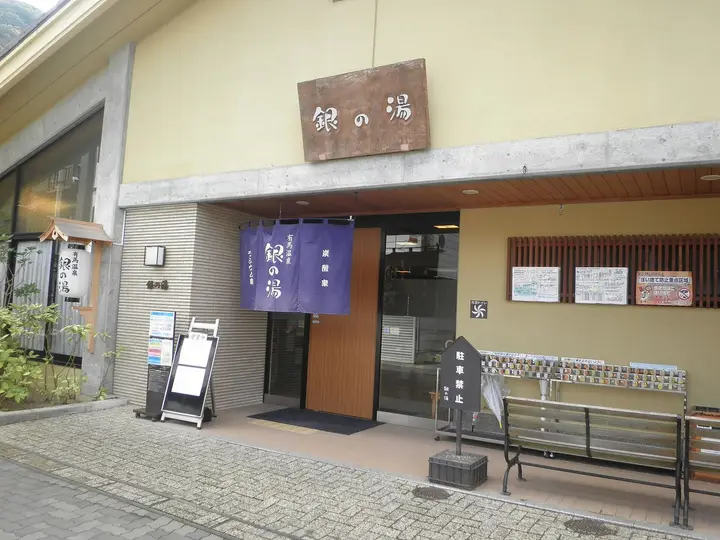
- Kin no Yu serves the brown, iron-rich kinsen water. Gin no Yu serves the clear carbonated and radium ginsen.
- A two-bath ticket covers both public bathhouses for ¥1,200, and the footbath outside Kin no Yu is free.
- About 30 minutes by train from Sannomiya in central Kobe, with a change at Tanigami and Arimaguchi.
- Kin no Yu reopened on March 17, 2026 after a renovation closure that began on January 7.
What to expect
Arima Onsen sits in a narrow valley on the north side of the Rokko mountains, technically inside Kobe city but a world away from the port. The town is small enough to walk end to end in 15 minutes: steep lanes, old temples, wooden shopfronts selling rice crackers and carbonated cider, and ryokan stacked up the hillsides. The local tourism body describes Arima as Japan’s oldest hot spring and says its waters contain seven of the nine main spring components recognised by Japan’s environment ministry, which is an unusual mix for one small town.
What most visitors come for is the contrast between two waters. Kinsen (gold spring) is a strongly salty, iron-rich water that comes out of the ground clear and turns rust brown within moments of meeting the air. It stains towels and leaves a salty film on your skin. Ginsen (silver spring) covers Arima’s clear waters, a carbonated spring and a radium spring. You can try both in a single afternoon at the two city-owned public bathhouses, which is the cheapest way to see what the fuss is about.
The town is busy. Day trippers from Osaka and Kobe fill the main lanes on weekends, and autumn leaf season brings crowds to Zuihoji Park and the temples. Weekday mornings are calmer.
The public bathhouses
Arima has two public bathhouses, both owned by Kobe city. Each has its own listing on this site.
- Kin no Yu (833 Arima-cho) is the brown-water bath, in the middle of town. It has two bathrooms, one themed on bamboo and one on Zuihoji’s maples. The operator adds tap and well water because the source is too hot to bathe in, reheats with steam, and uses chlorine during opening hours; the baths are fully drained and cleaned every day. Hours are 8:00 to 22:00, last entry 21:30. It closed for equipment renewal from January 7, 2026 and reopened on March 17, 2026.
- Gin no Yu (1039-1 Arima-cho), near the temple quarter, uses the clear ginsen water, with a rock bath and a bubble bath. Its water is recirculated and filtered, with chlorine, and topped up with fresh spring water when supply allows. Hours are 9:00 to 21:00, last entry 20:30. In October 2026 the men’s sauna was out of service because of a machine fault.
The two baths close on alternating Tuesdays (see the FAQ), so one is always open except on January 1. Body soap, rinse-in shampoo and hair dryers are provided at both. Towels, bath towels, razors and toothbrushes are sold at the desk.
The free Taiko no Ashiyu footbath beside Kin no Yu reopened on February 17, 2026 and follows Kin no Yu’s hours. In summer 2026 the bathhouse ran a cooler footbath (about 82°F28°C, 82°F28°C) from August 1 to September 30.
Many Arima ryokan also sell day-bathing entry, and there are larger private day spas. Check each operator directly for prices and rules, which vary widely.
Getting there
Arima Onsen Station is the end of the Kobe Electric Railway (Shintetsu) Arima Line.
- From Sannomiya (central Kobe): Kobe Municipal Subway to Tanigami, Kobe Electric Railway to Arimaguchi, then one stop to Arima Onsen. About 30 minutes.
- From Shin-Kobe (shinkansen): the same subway line runs from Shin-Kobe, about 30 minutes in total. The Arima Express highway bus also runs from Shin-Kobe via Sannomiya Bus Terminal.
- From JR Osaka: JR Kobe Line to Sannomiya, then the route above. About 1 hour.
- From Hankyu or Hanshin Umeda: to Shinkaichi, then subway and Shintetsu, about 1 hour 20 minutes. Some morning and evening trains run direct from Shinkaichi to Arima Onsen.
By car, the tourism association lists three lots in town: Arima Onsen Parking, the Ropeway parking and Ikenobo paid parking. Streets in the old centre are narrow and steep, so park once and walk.
When to go
Arima is a year-round destination. Autumn (roughly November) is peak season for maple viewing, and ryokan prices rise with it. Winter is the classic time for a hot bath, and the brown water feels its best on a cold day. Summer is humid and hot in the valley.
For the public bathhouses, weekday mornings are both the cheapest and the quietest time. The weekday discount does not apply over New Year, Golden Week or Obon, when the baths can restrict entry.
Prices and booking
Prices at the city bathhouses, as listed by the operator in October 2026:
- Kin no Yu: adults ¥800, or ¥650 on ordinary weekdays. Elementary and junior high students ¥350. Preschoolers free.
- Gin no Yu: adults ¥700, or ¥550 on ordinary weekdays. Students ¥300. Preschoolers free.
- Two-bath ticket (both houses): ¥1,200. It is valid for a year from purchase. A weekday-only version that includes a towel is also sold.
- Discounted entry applies for people with a disability certificate and one carer.
You do not book the public baths. Pay at the machine or desk and go in. For ryokan, book ahead, particularly for weekends and November.
Onsen etiquette
The public baths are separated by sex and you bathe naked, as everywhere in Japan. Wash and rinse thoroughly at the shower stools before you get in. Keep your small towel out of the water (folded on your head is traditional). Tie up long hair. Do not swim, splash or use soap in the bath itself. Kinsen water marks light fabric, so do not bring a white towel you care about.
Where to stay nearby
Arima has many ryokan and hotels, from small family inns to large hotels with their own kinsen and ginsen baths; the tourism association site has a search tool. Kobe city centre, about 30 minutes away, is the cheaper alternative for a day trip. If your ryokan has a private family bath, that is also the simplest option for visitors with tattoos.
Safety notes
- Salt and heat: kinsen is a strong salt spring. Keep soaks short, drink water, and rinse off at the end if your skin is sensitive.
- Health: if you have a heart condition or high blood pressure, or are pregnant, ask a doctor before hot bathing.
- Footing: wet bathroom floors and Arima’s steep lanes are both slippery in rain.
- Crowds: on peak days the bathhouses may stop admitting people temporarily, so have a second plan.
Nearby stops worth adding
The Taiko no Yudono-kan museum near Gin no Yu displays excavated bath remains from the time of Toyotomi Hideyoshi, the Taiko of its name. In 2026 it added a special exhibit of finds from the Yuyama site. Zuihoji Park is the town’s maple viewing spot. Kobe, with Sannomiya, Kitano and the harbour, is half an hour away and pairs easily with an afternoon soak.
Map and nearby springs
GPS: 34.79679, 135.24793
Arima Onsen: common questions
How much does it cost to bathe at Arima Onsen?
At the city-owned bathhouses, Kin no Yu costs ¥800 for adults (¥650 on ordinary weekdays) and Gin no Yu costs ¥700 (¥550 on ordinary weekdays). The weekday discount does not apply during New Year, Golden Week or Obon. Children of elementary and junior high age pay ¥350 and ¥300. A two-bath ticket for both is ¥1,200.
What is the difference between kinsen and ginsen?
Kinsen (gold spring) is a strongly salty, iron-bearing water that comes out clear and turns reddish brown when it meets the air. Ginsen (silver spring) is the name for Arima's clear waters, which include a carbonated spring and a radium spring. Kin no Yu uses kinsen and Gin no Yu uses ginsen.
When are Kin no Yu and Gin no Yu closed?
Kin no Yu closes on the 2nd and 4th Tuesdays of each month and Gin no Yu on the 1st and 3rd Tuesdays, so at least one is open every day except January 1. If the Tuesday is a public holiday, the bath opens and closes the next day instead. Both can limit entry when crowded.
How do I get to Arima Onsen from Osaka or Kobe?
From Sannomiya, take the Kobe Municipal Subway to Tanigami, change to the Kobe Electric Railway to Arimaguchi, then ride one stop to Arima Onsen. It takes about 30 minutes. From JR Osaka, take the JR Kobe Line to Sannomiya first, about an hour in all. The Arima Express bus runs from Shin-Kobe and Sannomiya.
Are tattoos allowed at Arima Onsen?
There is no clear published answer. The official Kin no Yu and Gin no Yu pages do not state a tattoo rule, and travel guides disagree about whether tattooed visitors are admitted. Ask at the front desk before you buy a ticket. A ryokan with a private family bath (kashikiri) avoids the question.
Closest hot springs to Arima Onsen
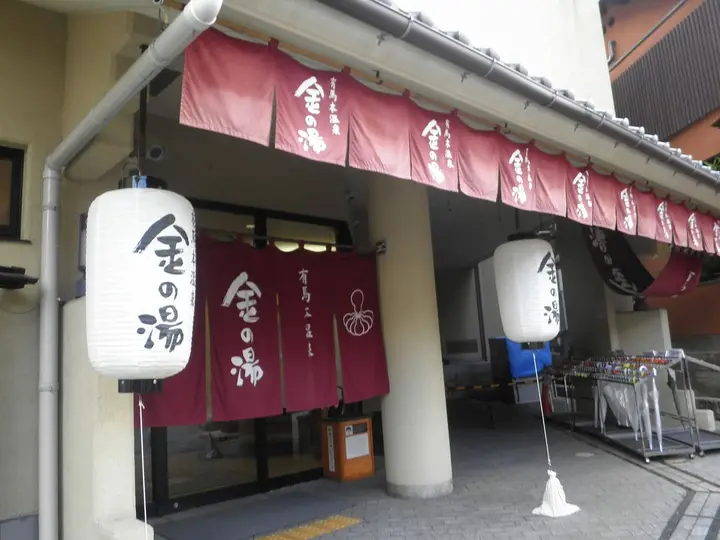
Near Yuasa
Resort or spa