Hot Springs Cove (muxʷšiƛa)
Near Tofino, British Columbia, Canada
Natural hot water spilling over a rock waterfall into six tidal pools on the open Pacific, reached by boat or floatplane from Tofino and a 2 km boardwalk through old-growth rainforest. Co-managed with the Ahousaht Nation.
Photos: Gerry Thomasen from Nanaimo, Canada (CC BY 2.0); Kristina D.C. Hoeppner from Wellington, New Zealand (CC BY-SA 2.0). Resized and cropped for this page.


- Water temperature
- Not published
- Entry
- Paid
- Getting in
- Boat access
- Type
- Wild & natural
- Spring water averaging 122°F50°C pours down a waterfall into six rock pools that cool as they step down to the ocean.
- The park was renamed Nismaakqin Park in 2025; the hot springs are muxʷšiƛa, an Ahousaht name meaning "steaming from rock".
- No road access: a boat (about 1.5 hours) or floatplane from Tofino, then a 2 km boardwalk through old-growth cedar forest.
- Winter high tides flood the pools with cold seawater, so check the tide table before you book.
What to expect
Hot Springs Cove is at the southern tip of the Openit Peninsula in Clayoquot Sound, about 35 km northwest of Tofino on the west coast of Vancouver Island. It sits in Nismaakqin Park, which was called Maquinna Marine Park until it was renamed in 2025. Nismaakqin means “our land that we care for” in Nuu-chah-nulth. The springs themselves are muxʷšiƛa, the Ahousaht name, meaning “steaming from rock”.
The setting is the draw. Hot water emerges on a rocky point above the open Pacific, runs over a small waterfall, and drops through six rock pools toward the ocean. Each pool is cooler than the one above it, because the spring water mixes with seawater washing in from below. BC Parks gives the spring water an average temperature of 122°F50°C, with a faint sulphur smell. The hottest water is at the top, near the falls; move down a pool or two if it is too much.
This is Ahousaht hahoulthee (territory), and the area holds more than 50 places of cultural, historic and spiritual importance to the Ahousaht Nation. Ahousaht knowledge keepers consider the water in the pools to have healing properties. The park is co-managed by BC Parks and the Ahousaht Nation, represented by the Maaqutusiis Hahoulthee Stewardship Society (MHSS), and is operated by Ahous Business Corporation. The Hesquiaht village of Hot Springs Cove is next to the park.
Facilities are simple: a dock, a picnic shelter and information shelter at the head of the dock, a composting toilet at each end of the boardwalk, and a change house near the pools with hooks to hang bags out of reach of wildlife. There is no drinking water and no covered shelter at the springs, so bring water and rain gear.
Getting there
There are no roads. You come by boat, kayak or floatplane, almost always from Tofino.
- Boat tour or water taxi: about 1.5 hours each way from Tofino. Several Tofino and Ahousaht companies run tours.
- Floatplane: about 20 to 30 minutes from Tofino Harbour. Tofino Air lists its Hot Springs Cove tour at C$399 per person (valid May 1, 2026 to April 30, 2027), plus the Ahousaht Stewardship Fee, BC Parks fee, Tribal Parks Allies fee and GST, with a minimum of two passengers.
- Your own boat: tie up at the government dock. Overnight moorage is C$2 per metre per night.
Anyone guiding or dropping off passengers in a provincial park needs a BC Parks park-use permit, so check that your operator is on the BC Parks list.
From the dock, a 2 km boardwalk runs through old-growth rainforest to the springs, with stairs in several places and a viewing platform over the cove. Allow 30 to 40 minutes each way. The boards get slick with rain, frost and wet leaves, and the last stretch to the pools crosses uneven, rock-strewn ground. Wear proper shoes and bring sandals or water shoes for the rocks.
When to go
Most visitors come from mid-May to mid-September, with the peak in July and August. Tour groups mostly arrive between 11 a.m. and 3 p.m., so the pools are busiest around midday. If you have your own boat or kayak, come early.
Tides matter more than the season. During winter high tides the pools fill with cold seawater, and big swells push water and floating logs into the lower pools. BC Parks advises against visiting during high tides and high swells. Plan around lower tides and calm seas.
The springs are open year-round, but winter storms cancel boats and flights. In the core season, March 15 to October 15, an Ahousaht Watchman is posted at the park entrance.
Rules and etiquette
- Fees: BC Parks charges C$3 per person per day. MHSS asks visitors to pay the Ahousaht Stewardship Fee of C$15 per person per visit. You can pay it online through MHSS, or to the Watchman at the entrance in season. Ask your operator whether it is already in your ticket.
- Hours: dawn to dusk for the public. Permitted commercial operators may bring guests only between 11 a.m. and 5 p.m.
- No alcohol anywhere in the park, and no glass in or around the pools.
- No soap or shampoo in or near the springs.
- No pets beyond the start of the boardwalk.
- No camping or campfires on the Openit Peninsula.
- Stay on the boardwalk. Short-cutting damages the forest floor.
The pools are small and the Ahousaht and other Nuu-chah-nulth communities use them for social, cultural and ceremonial purposes. Share space, keep noise down, and move along if people are waiting. BC Parks does not publish a clothing rule; bring a swimsuit, as tour operators advise.
Where to stay nearby
Camping is not allowed near the springs. A private campground run by the Hesquiaht First Nation is just north of the government dock, and it is the only place to stay overnight next to the springs. Contact the Hesquiaht First Nation before you go.
Most people stay in Tofino, which has hotels, motels, campgrounds and every service, and do the springs as a day trip. Kayakers can camp elsewhere in Nismaakqin Park, which takes in a large wilderness area beyond the hot springs.
Safety notes
- Waves and logs: Rough water and drifting wood can hurt people in the lower pools. Watch the sea and get out if swells build.
- Tsunami: If you feel strong shaking or the sea suddenly pulls back, move at least 15 m (49 ft) above the tide line right away and stay there until told otherwise. Waves can keep coming for hours.
- Footing: The boardwalk is slippery and the rocks around the pools are uneven. Most injuries here are falls.
- Remoteness: The nearest hospital is in Tofino. Keep track of your pickup time.
- Local dogs: Village dogs sometimes wander into the park looking for food. Do not feed or pet them.
History
The springs were long known to the Ahousaht as part of their territory, and the Openit Peninsula takes its name from a village there. Before the pandemic, well over 30,000 people a year visited, and crowding, litter and damage to the boardwalk and forest became serious problems. After the park reopened in 2022, BC Parks and the Ahousaht Nation set group-size limits, arrival windows and monthly commercial closure days, and then wrote a longer-term visitor use management strategy. The aim is a better visit, not a return to pre-pandemic numbers.
Map and nearby springs
GPS: 49.34972, -126.25944
Hot Springs Cove (muxʷšiƛa): common questions
How do you get to Hot Springs Cove?
Only by water or air. Tour boats and water taxis from Tofino take about 1.5 hours each way, and a floatplane takes 20 to 30 minutes. Operators need a BC Parks park-use permit, and BC Parks lists the licensed companies on its Nismaakqin Park page. From the government dock it is a 2 km boardwalk walk to the pools.
How much does it cost to visit Hot Springs Cove?
BC Parks charges a C$3 per person day-use fee. The Ahousaht Nation's Maaqutusiis Hahoulthee Stewardship Society (MHSS) asks visitors to pay an Ahousaht Stewardship Fee of C$15 per person per visit, which some tours already include. Then add your transport: one floatplane tour listed C$399 per person for May 2026 to April 2027, plus fees and GST.
Is Hot Springs Cove open?
Yes. The park reopened in fall 2022 after about two years closed during COVID-19, and BC Parks showed no closure for it in October 2026. Access is now managed under a visitor use management strategy written by BC Parks and the Ahousaht Nation. Commercial operators can only land guests between 11 a.m. and 5 p.m.
What is Nismaakqin Park?
It is the new name for Maquinna Marine Park, changed in 2025 at the Ahousaht Nation's request. Nismaakqin means "our land that we care for" in Nuu-chah-nulth. The hot springs inside it are called muxʷšiƛa.
Can you camp at Hot Springs Cove?
Not near the springs. Camping and campfires are banned on the Openit Peninsula, where the hot springs are. A private campground run by the Hesquiaht First Nation sits just north of the government dock.
When is the best tide for Hot Springs Cove?
Avoid high tides with big swells. BC Parks warns that winter high tides fill the pools with cold seawater, and rough water and floating logs can injure people in the lower pools. Check a tide table and ask your operator or pilot before you go.
Closest hot springs to Hot Springs Cove (muxʷšiƛa)
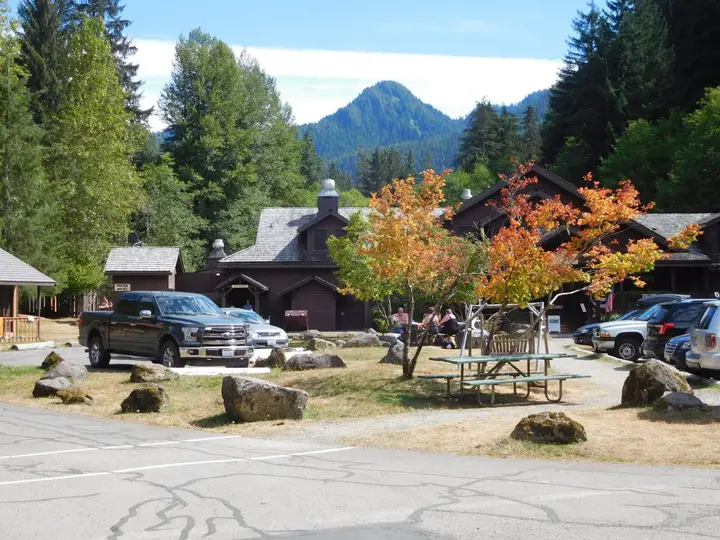
Sol Duc Hot Springs Resort
Washington, United States
145 mi away, ~4 hr drive
99-104°F37-40°C Paid Drive-up
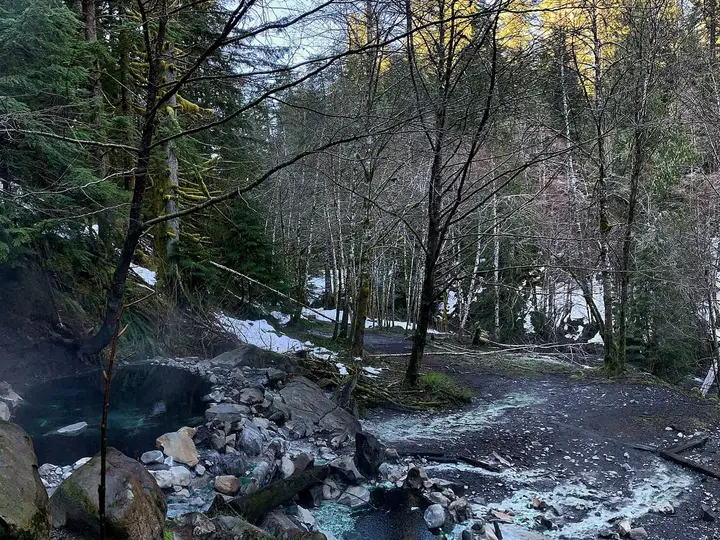
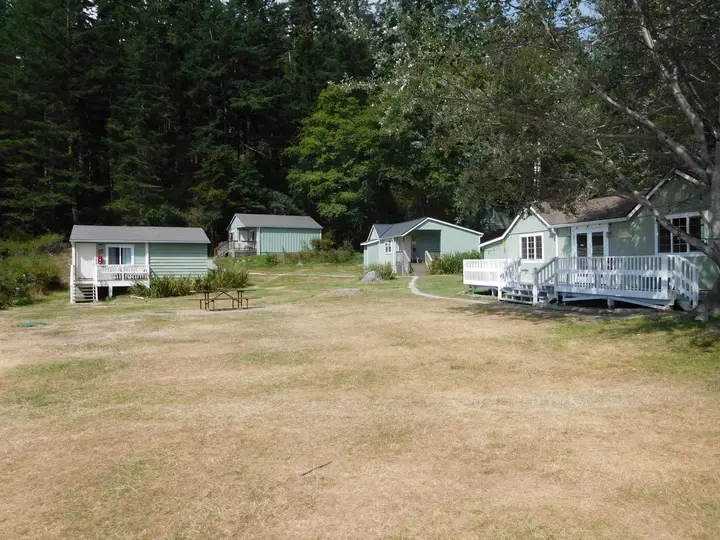
Near Pemberton
Resort or spa
T'sek Hot Springs (Skookumchuck Hot Springs)
British Columbia, Canada
176 mi away, ~4.5 hr drive
Temp n/a Paid Drive-up
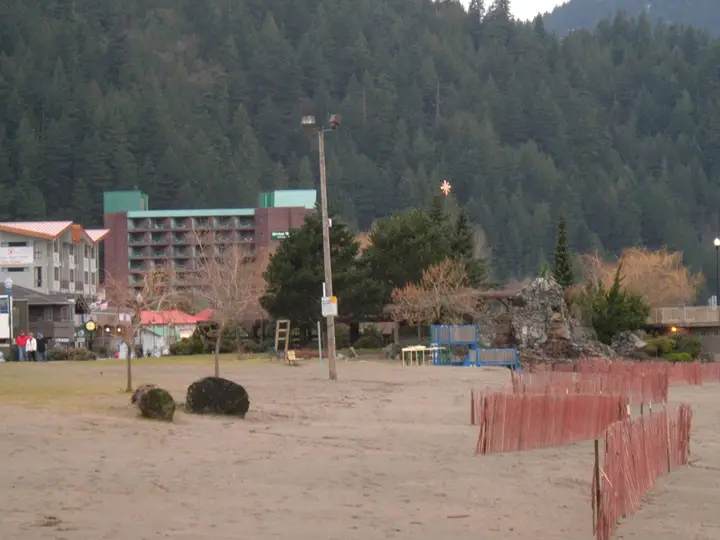
Harrison Hot Springs Resort
British Columbia, Canada
201 mi away, ~5 hr drive
83-104°F28-40°C Paid Drive-up
100°F38°C
Wild & natural
Sources we checked (6)
- bcparks.ca/nismaakqin-park/
- mhssahousaht.ca/hot-springs-maquinna-park/
- hashilthsa.com/node/19539
- nrs.objectstore.gov.bc.ca/kuwyyf/nismaakqin_park_mux_si_a_hot_springs_visitor_use_management_strategy_c284544c7e.pdf
- tofinoair.ca/tours-and-experiences/hot-springs-cove-tour/
- nrs.objectstore.gov.bc.ca/kuwyyf/maquinna_marine_hot_springs_brochure_674bbb7a2f.pdf